Psychological Effects Of The Color Brown
Use the psychological effects of the color brown to create a natural, comfortable feel for your home.
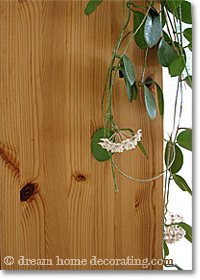
Brown consists of such a mix of colors that it doesn't actually have a 'home' anywhere on the color wheel.
It is generally considered a neutral color, even though it is much more biased than clean whites, blacks and grays.
Here are some of the hues you can find in the color brown (there's more info about this in my free e-book, Stylish Neutrals):
♦ black,
♦ red,
♦ orange,
♦ yellow,
♦ green,
♦ grey,
♦ even purple!
The psychological effects of the color brown depend largely on the mix of the colors that have gone into it, and when you look at the set of swatches below you will probably like some and dislike others.
Brown can be quite a 'yummy' color (think chocolate, coffee, cookies). Those are the shades of brown that remind us of creature comforts and the Good Life.
Nature, too, is full of the color brown; in most parts of the world, brown is the color of the earth, and most plants have got at least some brown in them.
This is why the psychological effects of the color brown are often described as reassuring, safe and stabilizing - we tend to feel safe in nature (as long as it doesn't move, shake or drown us).
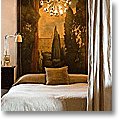
In an interior design scheme, the color brown can add warmth and depth. It can inject earthiness into a cool or neutral color combination and make it more welcoming.
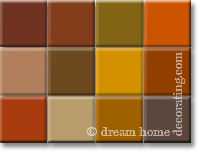
Obviously, the psychological effects of the color brown vary with its shades and tints.
Imagine the psychological impact of some of these swatch colors on a wall in your home!
So brown is a color you want to use wisely. Natural browns - wood, wicker, straw, stone, and earth pigments - are almost always gorgeous, but synthetic browns can occasionally come across as one-dimensional and obnoxious. (However, do check out these brown color scheme ideas!)
This page is about the effects of brown color ...
... for more info about color psychology, please go to the general psychology of color article.
Also, the color brown can support very different styles, depending on the materials that 'carry' the color.
Chic, beautifully finished wooden furniture and floors in natural hues can look very sophisticated.
On the other hand, raw untreated wood and woollen textiles in natural shades of brown will have a more rustic effect.
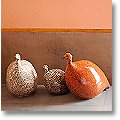
Apart from wood and natural fibers, baked clay can add beautiful shades of the color brown to your home:
- terrracotta
- raw umber
- burnt umber
- sienna red
- yellow ochre
- red ochre ...
... all these are earth colors that have been used for thousands of years and can be a source of rich, organic, warming interiors.
(Have a look at the Tuscan Paint Color Palette, for example!)
To check out the psychological effects of other colors, take your pick from the following links:
 Psychological Effects Of The Color White |
 Psychological Effects Of The Color Grey |
 Psychological Effects Of The Color Black |


 Psychological Effects Of The Color Pink |
 Psychological Effects Of The Color Purple |
 Psychological Effects Of The Color Blue |


Yet to find the information you're looking for? Type a word or phrase into the search box below:
Alternatively, return from Psychological Effects Color Brown to the main Color Psychology information page, or to the


New! Comments
Have your say about what you just read! Leave me a comment in the box below.