Room Color Schemes: Original Interior Design Color Schemes From Europe
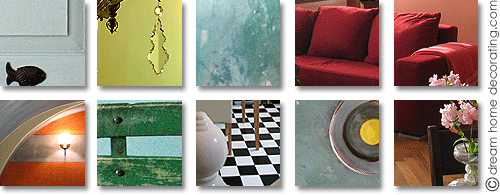
Attractive room color schemes can be the biggest visual asset of your home. They're often much more important than grand architecture or fine furniture.
You can use interior design color schemes to create easy, instant flair.
Even so-so rooms will start to look seriously good when you dress them up in the right colors!
(This works both ways, of course. I've been in plenty of well designed rooms that someone had managed to ruin with the help of an awful color palette.)
1. Examples Of Great Color Schemes
Great Color
Combinations
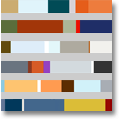
The page about Great Color Combinations has color combination charts for every major color family.
You can use them for room color palettes and interior design colors...
... but also as a source of general color decorating ideas for giftwrap, table settings, party decor, craft projects (even fashion).
Click a link for room color swatches: yellow / orange / red / pink / purple / blue / green / brown / colored earth / neutrals / wood & color / hip hotel
2. Room By Room:
Bedroom Colors
A) Bedroom Colors:
Infuse your bedroom with interior design colors that complement your style perfectly. For starters, check out Bedroom Colors, a gallery of bedroom decor photos.
Do you want your bedroom to be a zen-like retreat or a sumptuous boudoir? Do you want it to exude sexy, seductive energy, or heavenly calm? Do you want to use it as a workspace during the day, or is your bedroom the ultimate fantasy space?
Pick a bedroom color palette to get started: yellow - orange - red - pink - purple - blue - blue/white - green - neutral - black/white.
And there's more:
- The page about Bedroom Color Schemes contains five bedroom color ideas for a single room. You will learn how to make a strong style statement, just by changing the interior design color scheme.
- The article about Bedroom Wall Colors shows how you can manipulate your bedroom mood through paint colors - 6 very different room color schemes (and headboard styles) for the same bedroom!
- (For yet another perspective on bedrooms, check out the antique Swiss Alpine homes on the page about Country Style Bedrooms)
Living Room
Colors
B) Living Room Color Schemes:
Living room colors can make or break one of the most-used rooms in the house!
You'll find 6½ color schemes for living rooms (including plenty of living room paint ideas) on the Living Room Colors page, and three more color schemes for living rooms in the article about an 'Out-of-Africa'-inspired Living Room Makeover.
Also, do check out other Dream Home Decorators' Living Room Before & Afters for more color ideas!
3. How To Pick Room Color Schemes
That Really Work
It's easier said than done, and I can't tell you how many people get stuck and frustrated in the process.

Choosing
Color Schemes
The page about Choosing Interior Design Colors takes you, step by step through the process of assessing
♦ what colors you like
♦ what colors you already have in the room (checklist)
♦ what colors the room 'needs' (a checklist), and
♦ how to pull all of the above together.
Interior Design Colors 101 is a step-by-step, illustrated guide to choosing room color schemes and interior wall colors:
♦ how to do a color inventory,
♦ how to deal with colors that don't fit in,
♦ how to create decorating color schemes from scratch,
♦ how to use neutral colors intelligently to make decorating easier.
To help you create room color schemes that work, there's also a step-by-step guide to choosing the right Interior Paint Color combinations - have a look at that if you're not sure how to put interior design colors together in a room.
When you're (re-)decorating, hold off on the wall colors as long as you can.
There's always a bigger choice of paints than of fabrics, carpets & furniture.
4. How To Find Ideas
For Gorgeous Room Color Schemes
Paint Color Ideas
Ideas For Decorating Color Schemes:
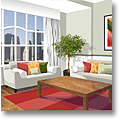
If you're stumped for paint color ideas and don't know where to start looking, here are a few pages for you.
Interior Paint Color Ideas is about 'collecting' color inspiration, and specifically, what to do with this inspiration once you've found it.
The article about researching Decorating Color Scheme ideas walks you through all the resources you could use to find new color scheme ideas.
French
Room Colors
French Room Color Schemes:
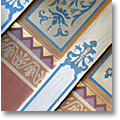
Need decorating color schemes for a "French" room? Interior design colors in France vary greatly by region,
so you'll find information about French interior paint color combinations on different pages:
- French Country Decorating On A Shoestring
- French Country Colors
-
It's also worth having a look at the pictures on the 'intro' page about
French Country Decorating Ideas to get a feel
for this simple yet sophisticated approach to color.

Tuscan
Room Colors
Tuscan Room Color Schemes:
Tuscany has glorious, earthy colors to paint a room - or the whole house - and
fill it with the warmth and magic of a Tuscan summer.
Draw your inspiration from the colors of the countryside, the ancient homes and palazzi, and add color accents reminiscent of fresh, ripe fruits and flowers in full bloom to an earth tone color scheme.
All the pictures are original photos I took on a working trip to Tuscany. When you're done reading the page about
Tuscan Colors,
cast an eye over the photos on the other 'Tuscan' pages as well, starting with
Tuscan Decorating Style Secrets, for more color inspiration.
Neutral
Room Colors
Neutral Room Colors:
Neutrals are an excellent foundation for most decorating color schemes. The more you know about them, the better
use you can make of them!
Visit the Neutral Color Palettes page for a taster of the possibilities - and pitfalls - of decorating with neutral color schemes.
Neutrals are so important that I've written an e-book about how to use them. It's full of illustrated room color schemes, and takes you through different aspects of using neutrals to color a room. Themes include
- How to recognize what type of neutral color you need
- How to mix neutral color palettes
- Examples of neutral decorating color schemes, and
-
Examples of neutral color palettes with added color.
The e-book is free, and comes with a subscription to my (equally free) quarterly e-zine, Dream Home News. Check out the e-book, Stylish Neutrals, here!
5. Color Theory
Complementary
Room Colors
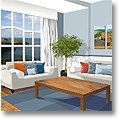
When you know the basics of color theory, creating great room color schemes becomes so much easier.
I suggest you check out:
♦ Basic Color Theory;
♦ Complementary Colors;
♦ Warm And Cool Colors;
♦ the 'Design' Color Wheel, and ...
♦ Monochromatic Color Schemes.
Oh, and did I mention Color Psychology? Very interesting stuff. Because once you know the rules for creating room color schemes, you can go ahead and break them properly :-)
6. Mini Bookshop (In Partnership With Amazon)
a) Color In Interior Design:
b) Color Wheel Charts:
Yet to find the information you're looking for? Type a word or phrase into the search box below:



New! Comments
Have your say about what you just read! Leave me a comment in the box below.